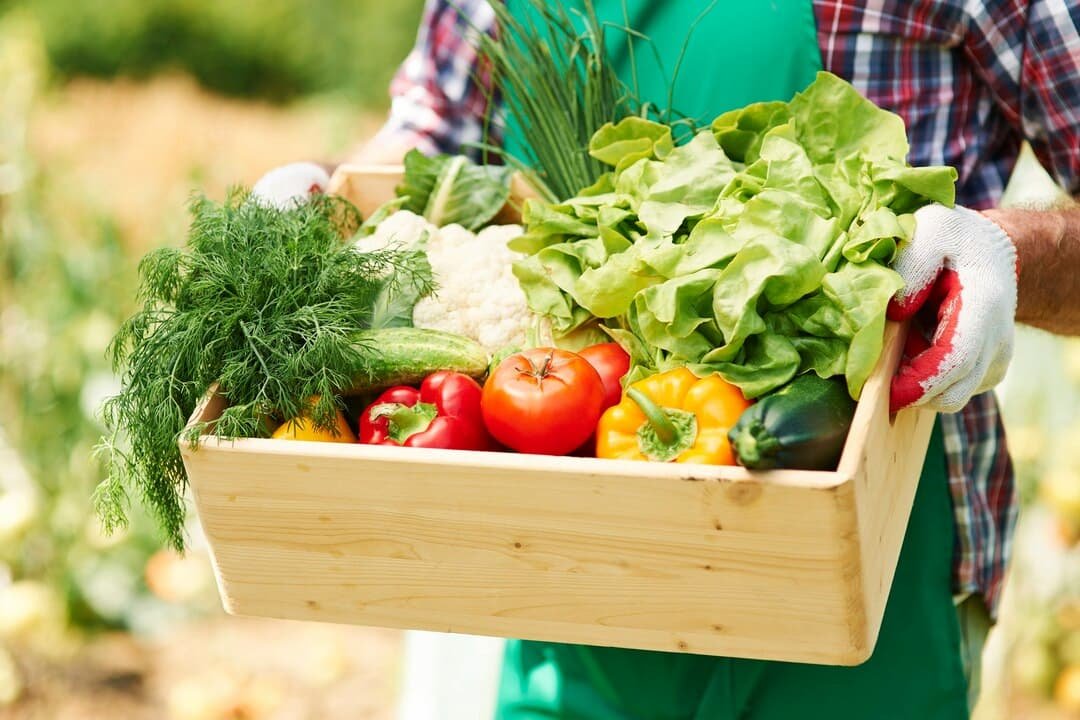
How to start organic farming business is a question many Indians ask today. The demand for chemical-free food keeps rising in cities like Bengaluru, Delhi, and Mumbai. Families now read food labels carefully before buying vegetables or grains. Organic farming offers a business opportunity while also protecting soil, water, and human health.
Organic farming avoids synthetic pesticides and chemical fertilizers. Farmers use natural compost, crop rotation, and biological pest control instead. With the right planning, certification, and marketing strategy, an organic farming business in India can grow into a profitable and sustainable venture.
Many farmers who switched to organic methods say the soil feels softer, the crops smell fresher, and the land slowly becomes healthier year after year. If you want to start this journey, the guide below explains the process step by step.
What Is Organic Farming?
Organic farming is a method of agriculture that avoids synthetic chemicals and relies on natural inputs. Farmers use compost, green manure, bio-fertilizers, and crop rotation to grow crops while protecting soil health.
This system focuses on long-term sustainability. Instead of forcing crops to grow quickly with chemicals, organic farming builds healthy soil so plants grow naturally.
In India, organic farming also connects with traditional practices. Many grandparents in villages still remember using cow dung manure, neem leaves, and ash to protect crops. Organic farming brings those age-old methods back with modern scientific guidance.
Key Principles of Organic Farming
Organic agriculture follows several core principles.
1. Soil health comes first
Healthy soil acts like a living ecosystem. It contains microbes, earthworms, and organic matter that help plants grow.
2. Avoid synthetic chemicals
Organic farmers avoid artificial pesticides and fertilizers. They use natural solutions such as neem oil and bio-fertilizers.
3. Crop diversity
Planting different crops improves soil nutrition and reduces pest attacks.
4. Environmental balance
Organic farming protects water sources, wildlife, and biodiversity.
Why Start an Organic Farming Business in India?
The organic food market in India is expanding quickly. According to the Agricultural and Processed Food Products Export Development Authority (APEDA), India exports organic products to more than 100 countries.
Urban consumers now prefer organic fruits, vegetables, and grains because they worry about chemical residues in food.
Growing Demand for Organic Products
Visit any weekend farmers’ market in Bengaluru’s Jayanagar, Delhi’s INA market, or Mumbai’s Bandra organic bazaars. You will see shoppers happily paying more for chemical-free vegetables.
Restaurants such as Organic Garden Café in Bengaluru and health food stores like 24 Mantra Organic have also increased demand for organic produce.
This trend gives farmers an opportunity to earn premium prices.
Environmental and Health Benefits
Organic farming improves soil fertility and reduces pollution. When farmers stop using synthetic pesticides, nearby water bodies stay cleaner.
Many farmers say their fields attract butterflies, bees, and birds again after shifting to organic methods. That natural balance helps crops grow stronger.
Step-by-Step Guide: How to Start Organic Farming Business
Starting an organic farming business requires planning, patience, and knowledge. The steps below can help you begin.
Step 1: Conduct Market Research and Prepare a Business Plan
Before planting your first crop, study your market.
Ask questions like:
- Which organic products sell well in your region?
- Who are your potential buyers?
- Can you supply local grocery stores or restaurants?
For example, organic spinach and tomatoes sell well in cities. Millets such as ragi and jowar have also gained popularity among health-conscious consumers.
A clear organic farming business plan should include:
- Crop selection
- Budget estimate
- Target customers
- Marketing strategy
This plan acts like a map for your farming journey.
Step 2: Choose Suitable Land and Test Soil
Good soil acts like the foundation of a house. Without healthy soil, organic farming becomes difficult.
Choose land with good drainage and sunlight. Most crops need at least six hours of sunlight daily.
Conduct soil testing through institutions such as the Indian Council of Agricultural Research (ICAR) or local Krishi Vigyan Kendras (KVK). Soil reports show nutrient levels and pH balance.
Many farmers in Maharashtra say their land improved significantly after adding vermicompost and green manure for a few seasons.
Step 3: Select Profitable Organic Crops
Choosing the right crops makes a big difference in profit.
Popular organic crops in India include:
- Vegetables – tomato, spinach, brinjal
- Fruits – papaya, banana, mango
- Spices – turmeric, ginger, coriander
- Grains – millets, rice, wheat
If your farm lies near a city, vegetables can sell quickly. Rural farmers often prefer turmeric or millets because they store longer.
I once visited a small organic farm near Mysuru where the farmer grew turmeric and sold it as organic powder. The earthy smell of freshly ground turmeric filled the air in his small processing room. That simple value addition doubled his income.
Step 4: Arrange Organic Inputs
Organic farming depends on natural fertilizers and pest control methods.
Common organic inputs include:
- Vermicompost
- Cow dung manure
- Neem cake
- Bio-fertilizers
- Panchagavya solutions
Farmers often prepare compost pits on their land. Kitchen waste, crop residues, and cow dung slowly turn into nutrient-rich compost.
Watching compost transform from dry leaves into dark, crumbly soil feels almost magical.
Step 5: Apply for Organic Certification
If you want to sell products as organic, certification becomes necessary.
India follows certification programs under APEDA through the National Programme for Organic Production (NPOP).
Farmers can also choose Participatory Guarantee System (PGS-India) certification, which suits small farmers.
The process usually involves:
- Registering your farm
- Maintaining farming records
- Inspection by certification bodies
- Conversion period of about 2–3 years
Certification builds trust with customers and allows farmers to export organic products.
Step 6: Build Basic Infrastructure
Organic farming does not require heavy machinery. Basic infrastructure still matters.
You may need:
- Drip irrigation system
- Compost pits
- Storage shed
- Water tanks
Farmers in Tamil Nadu often install drip irrigation systems supported by government subsidies. Drip irrigation saves water and delivers nutrients directly to plant roots.
Standing in a field with drip lines quietly feeding plants reminds you how technology and nature can work together.
Step 7: Develop a Marketing Strategy
Growing crops is only half the journey. Selling them at the right price completes the business cycle.
Organic farmers use several marketing channels:
- Farmers’ markets
- Organic grocery stores
- Online platforms
- Direct farm sales
Many farmers now sell produce through apps like BigBasket and Farmizen.
A small farmer near Pune told me he sells vegetable boxes directly to housing societies every Sunday morning. Residents wait for his arrival because they trust his produce.
Organic Farming Certification Process in India
Organic certification helps farmers label their products as “organic” legally.
The two main certification systems in India are:
NPOP Certification
The National Programme for Organic Production is managed by APEDA under the Ministry of Commerce.
This certification suits farmers who plan to export organic products.
PGS-India Certification
The Participatory Guarantee System works well for small farmers and local markets. Farmers form groups and inspect each other’s farms.
PGS certification often costs less than NPOP.
Cost of Starting an Organic Farming Business
The cost depends on land size, crop type, and infrastructure.
A basic organic farming setup per acre may include:
| Expense | Approximate Cost |
| Land preparation | ₹15,000 – ₹25,000 |
| Organic fertilizers | ₹20,000 |
| Irrigation system | ₹25,000 – ₹40,000 |
| Seeds and saplings | ₹10,000 |
| Certification | ₹15,000 – ₹25,000 |
The total investment may range from ₹80,000 to ₹1.5 lakh per acre.
Government Subsidies and Schemes
Several schemes support organic farmers.
The Paramparagat Krishi Vikas Yojana (PKVY) promotes organic farming across India. Farmers receive financial support and training.
The National Mission for Sustainable Agriculture (NMSA) also encourages eco-friendly farming methods.
Local agricultural officers can guide farmers through these programs.
Best Crops for Organic Farming Business
Different crops perform well depending on climate and soil.
Organic Vegetables
Vegetables provide quick income because they grow faster.
Popular choices include:
- Tomato
- Okra
- Spinach
- Cabbage
Organic Fruits
Fruit farming requires patience but offers higher returns.
Common options:
- Mango
- Banana
- Papaya
- Guava
Organic Spices and Herbs
Spices often fetch high prices in domestic and export markets.
Profitable organic spices include:
- Turmeric
- Ginger
- Cardamom
- Black pepper
The warm smell of fresh ginger harvests often fills farm storage rooms. That sharp aroma reminds farmers that their hard work is paying off.
Profit Potential of Organic Farming
Organic products usually sell at premium prices.
Farmers may earn 20–40% higher income compared to conventional produce.
Profit depends on:
- Crop selection
- Market access
- Certification
- Value addition
Some farmers process turmeric into powder or convert milk into organic ghee. These simple steps increase profit margins.
Marketing Strategies for Organic Produce
Smart marketing helps organic farmers reach the right customers.
Direct-to-Consumer Sales
Selling directly to consumers reduces middlemen.
Farmers often sell weekly vegetable baskets to housing societies. Customers enjoy fresh produce harvested just hours earlier.
Online Sales Platforms
Platforms like Amazon Fresh, BigBasket, and Farmizen connect farmers with urban buyers.
Social media also works well. Many farmers share photos of their farms on Instagram and attract loyal customers.
Restaurant Partnerships
Organic restaurants and health cafés need a steady supply of fresh produce.
Supplying to local restaurants can create stable income for farmers.
Challenges in Organic Farming Business
Organic farming also has some challenges.
Lower Yield During Transition
During the first two years, crop yields may drop as soil recovers from chemical use.
Farmers must remain patient during this phase.
Certification and Market Access
Certification paperwork sometimes feels complex. Small farmers may struggle to reach premium markets without proper marketing networks.
Tips for Success in Organic Farming
Success in organic farming requires patience and curiosity.
Here are a few practical tips:
Start small
Begin with one or two acres and learn the process.
Build soil health
Healthy soil produces strong crops.
Connect with other farmers
Farmer groups share knowledge and support.
Pro Tip:
Many experienced farmers say observing your soil every morning helps you understand your farm better. The smell, texture, and moisture of soil tell a silent story about its health.
Future of Organic Farming in India
Organic agriculture continues to grow in India.
Consumers worry about pesticide residues in food. Health awareness is rising in cities and even small towns.
States like Sikkim, which became India’s first fully organic state, show that large-scale organic farming is possible.
India’s climate diversity also supports a wide range of organic crops. From Himalayan herbs to Kerala spices, the opportunities are enormous.
Final Thoughts
Starting an organic farming business in India feels like planting a seed that benefits both the farmer and the earth. Healthy soil, clean water, and chemical-free food create value that goes far beyond profit.
When you walk through an organic field early in the morning, the soil smells rich and alive. Birds move between plants, and the farm feels balanced like a quiet ecosystem working together.
If more farmers adopt these methods, Indian agriculture could move toward a healthier future.
The real question is this: Will the next successful organic farm in your region be yours?
ALSO Read: How to Start a Business for Beginners